- The short answer: what is worth buying
- Textiles from Jaipur: block printing and cotton
- Shawls: pashmina and the banned shahtoosh
- Silk from Varanasi
- Tea and spices
- Agra marble, silver and leather jootis
- Henna and Ayurvedic cosmetics
- Indian souvenirs at a glance
- Where to shop: bazaar, government emporium or the "shop on the way"
- Customs on the way home
- What you cannot take out of India
- How to pack what you buy
- Sources
- Frequently asked questions
What should you buy in India? The things each city is famous for: hand block-printed cotton from Jaipur, silk from Varanasi, tea from Darjeeling and Assam, spices from the bazaars of Old Delhi and marble inlaid with stone from Agra. The trick is knowing where to buy, how to spot an imitation and what you may not take across a border.
The short answer: what is worth buying
- Block-printed textiles: tablecloths, scarves and cotton clothing, ideally from Jaipur.
- Banarasi silk from Varanasi: saris, stoles and fabric woven with gold or silver thread.
- Tea from Darjeeling and Assam, and whole spices.
- Marble inlay from Agra, silver jewellery and embroidered leather jootis.
What not to buy: shahtoosh, ivory, coral, wild animal skins, "antiques" and counterfeit brands. Duty-free allowances depend on your own country.
Textiles from Jaipur: block printing and cotton
Jaipur and the towns around it have printed cotton by hand with carved wooden blocks for centuries. Sanganer, about 16 km south of central Jaipur, is famous for bright floral patterns on a white background. Bagru prints with natural dyes such as indigo and uses a clay-resist technique called dabu. Both hold geographical indication status in India.
Look for tablecloths, bedspreads, scarves and clothing. In Jaipur, Bapu Bazaar sells textiles and shoes. Ask whether a piece is hand-printed or machine-printed. On a tour you can watch the process: on both Colourful India and Pearls of North India, day four in Jaipur includes a block-printing workshop. More in Jaipur: what to see.
Shawls: pashmina and the banned shahtoosh
Pashmina is the very fine cashmere wool of the Changthangi goat from the Changthang plateau in Ladakh. It is light, warm and expensive. The name is also used for silk blends, sheep's wool and viscose, and a cheap "pashmina" from a street stall is usually not pashmina. Buy where the fibre content is on the label or receipt.
Shahtoosh is something else entirely, and you should never buy it. The wool comes from the Tibetan antelope (chiru), which has to be killed to obtain it. The species has been protected under CITES since 1979, and the shahtoosh trade is banned in India and internationally. Telling it from pashmina usually takes a laboratory test, so simply refuse anything a seller calls shahtoosh.
Silk from Varanasi
Varanasi has woven Banarasi silk for centuries: heavy saris and stoles with brocade patterns in gold or silver thread (zari). Hand-weaving one sari takes two weeks to a month, an intricate one up to six months. Since 2009 "Banaras Brocades and Sarees" has been a protected geographical indication, but the market also has plenty of power-loom silk and cheaper synthetic fabric. Buy from an established workshop or a government shop, not a tout. More about the city in Varanasi: what to see.
Tea and spices
Darjeeling is a light, floral tea from the Himalayan foothills. In 2004 it became India's first product protected as a geographical indication, and since 2011 in the EU as well. Look for the Tea Board of India's Darjeeling logo on the packet: a woman in profile holding tea leaves. Assam is a strong, malty black tea from the Brahmaputra valley.
The most interesting place to buy spices is Khari Baoli in Old Delhi, a wholesale spice market that has traded since the 17th century (more in Delhi: what to see). Buy whole spices such as cardamom, cloves and cumin, in sealed packs; ground spices lose their aroma faster.
Agra marble, silver and leather jootis
Agra has many workshops making objects from white marble inlaid with semi-precious stones. The technique is pietra dura, known in India as parchin kari, the same craft used to decorate the Taj Mahal. Trays and boxes are heavy, so agree any shipping in writing. For the monument, see the Taj Mahal visiting guide.
Silver jewellery is sold in every large city; ask about the silver standard and take a receipt. Never buy gemstones "to resell at a profit back home": it is a well-known trick, covered in money in India.
Jootis (also called mojari) are flat leather slip-on shoes, often embroidered or decorated with beads and mirrors. In Jaipur, Bapu Bazaar is known for them. Try on both shoes before you pay.
Henna and Ayurvedic cosmetics
Natural henna stains skin and hair red-brown, and reactions to pure henna are rare. Be careful with "black henna". Its dark colour usually comes from added PPD, a hair-dye ingredient not meant for skin, which can cause blistering and even permanent scars, often days later. For mehndi, choose brown henna.
Buy Ayurvedic oils, soaps and creams in packaging with a full ingredient list, not loose. Products you swallow are not cosmetics: if you take regular medication, ask your doctor first.
Jaipur, crafts and bazaars with a tour leader: on Colourful India day two includes the Khari Baoli spice market in Delhi, and day four the Hawa Mahal, Amber Fort and a block-printing workshop in Jaipur. 15 days, from €1,550, February / March 2027. The English-speaking tour leader travels with groups of 10 or more.
Send me the itineraryIndian souvenirs at a glance
| Souvenir | Where to buy | What to watch for |
|---|---|---|
| Block-printed textiles | Jaipur, Sanganer, Bagru | ask if it is hand-printed |
| Pashmina shawl | shops with labelled fibre content, emporiums | cheap "pashmina" is often wool or viscose |
| Shahtoosh | nowhere | banned under CITES, do not buy |
| Banarasi silk | Varanasi: workshops, government shops | cheap silk may be power-loom or synthetic |
| Darjeeling, Assam tea | tea shops, emporiums | Darjeeling logo on the packet |
| Spices | Khari Baoli in Delhi, bazaars | whole, in sealed packs |
| Marble inlay | Agra | heavy; shipping only in writing |
| Silver jewellery | large cities, Jaipur | silver standard and receipt; "investment" gems are a trick |
| Jootis (mojari) | Bapu Bazaar in Jaipur | try on both shoes |
| Henna | bazaars, pharmacies | avoid "black henna" |
Bazaar prices are negotiable; prices in government shops and tagged shops are fixed.
Where to shop: bazaar, government emporium or the "shop on the way"
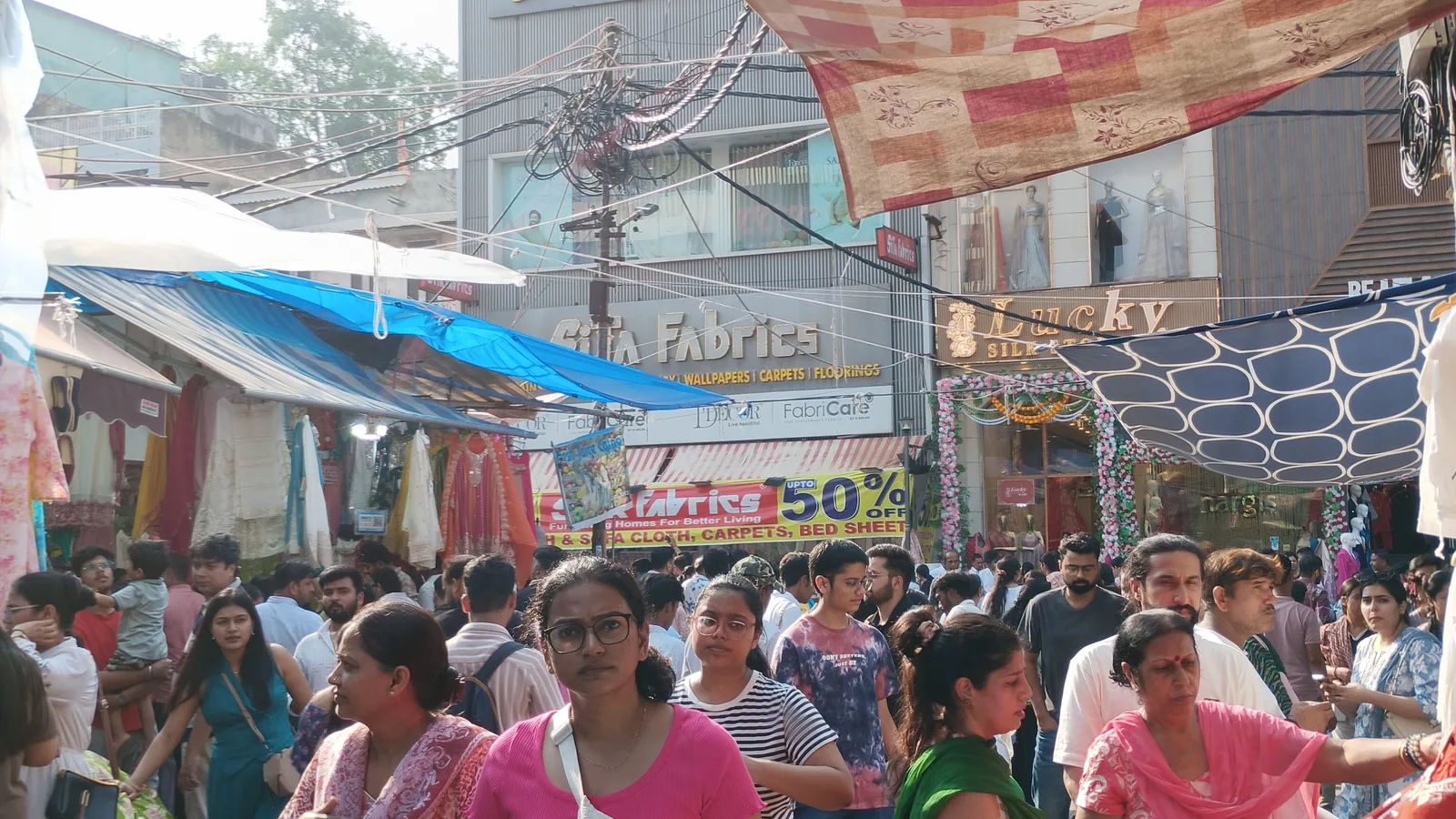
Bazaars are the liveliest and cheapest, but you judge quality yourself. Government shops (emporiums) have fixed prices and crafts from many states. The best known in Delhi is the Central Cottage Industries Emporium on Janpath, set up by the Government of India in 1948. Dearer than the bazaar, but no haggling.
Then there is the shop a driver or tout takes you to: a showroom of marble, carpets or silk whose prices include a commission for whoever brought you. Haggling in a bazaar is a custom, not rudeness; see money in India. Take cash to the bazaar.
Customs on the way home
Information as of November 2026 (checked on 3-4 November 2026). Duty-free allowances are set by the country you return to, so check your own customs authority before you travel. For example, travellers entering the European Union from outside it can bring in, free of duty and tax:
- goods (gifts, clothes, souvenirs) worth up to €430 per person when travelling by air or sea;
- alcohol: 4 litres of still wine and 16 litres of beer, plus either 1 litre of spirits over 22% or 2 litres of fortified or sparkling wine;
- tobacco: up to 200 cigarettes or 250 g of tobacco, with lower limits in some EU countries.
Under-17s get no alcohol or tobacco allowance in the EU. Wherever you live, declare anything above the limit and keep receipts.
What not to bring home, wherever you live:
- CITES-protected species: ivory, hard corals, some shells, leather goods from crocodile, snake or monitor lizard skin, and protected plants such as orchids and cacti. Carrying them without CITES permits is an offence.
- Meat and dairy products, including milk-based sweets and ghee, restricted or banned in many countries. Dried spices and tea for personal use are generally fine, but fresh fruit, vegetables, seeds and plants are restricted in many places: the EU, for example, admits without a phytosanitary certificate only bananas, pineapples, coconuts, dates and durians.
- Counterfeit brands: clothes, bags, watches and cosmetics. Customs seize them, especially in larger quantities, some countries (France, for example) fine travellers even for a single fake for personal use, and fake cosmetics can be a health risk.
What you cannot take out of India
As of November 2026; Indian rules checked on 3-4 November 2026.
Antiques. India's Antiquities and Art Treasures Act of 1972 treats any object at least 100 years old (75 years for manuscripts and documents) as an antiquity. Only the Government of India or an agency it authorises may export them, so a private buyer cannot get a permit. An item that merely looks old needs a non-antiquity certificate from the Archaeological Survey of India. A sculpture sold as "very old" is either not, or cannot legally leave. Buy contemporary crafts.
Rupees. Under the Reserve Bank of India's 2015 currency regulations, a visitor living outside India (other than citizens of Pakistan and Bangladesh) may take out up to 25,000 rupees in cash; check the current rules before you fly. The simplest option is to spend your rupees before departure.
Protected species. A CITES specimen needs an export permit from the country of origin, and a bazaar purchase will not come with one.
How to pack what you buy
- Spices and tea: seal them well, ideally twice, and put them in checked luggage.
- Liquids (oils, perfume, alcohol): well wrapped, in the suitcase.
- Marble: wrap it in clothes in the middle of the suitcase.
- Leave space and check your baggage allowance before buying one more bedspread. For the outward trip, see what to pack for India.
Sources
- Your Europe - alcohol, tobacco and other goods brought into the EU from outside
- Polish National Revenue Administration - travel allowances, food, CITES, cultural goods (in Polish)
- Polish Ministry of Climate and Environment - CITES souvenirs (in Polish)
- Polish National Revenue Administration - counterfeit goods seized at the border (in Polish)
- The Antiquities and Art Treasures Act, 1972 (WIPO Lex) - definition of antiquity, export restriction
- Reserve Bank of India - Export and Import of Currency Regulations, 2015 (reg. 3(2)(a))
- Archaeological Survey of India - application for a non-antiquity certificate (PDF)
- PIORiN (Poland) - EU rules on importing plant products for personal use
- French customs - penalties for counterfeits, including for personal use
- Shahtoosh (Wikipedia) and Tibetan antelope (Wikipedia) - CITES since 1979
- Pashmina (Wikipedia) - Changthangi goat, imitations
- Sanganer (Wikipedia) and Bagru print (Wikipedia)
- Banarasi sari (Wikipedia) - geographical indication, weaving time
- Darjeeling tea (Wikipedia) and Assam tea (Wikipedia)
- Khari Baoli (Wikipedia)
- Pietra dura (Wikipedia) - parchin kari, Agra, the Taj Mahal
- Central Cottage Industries Emporium (Wikipedia)
- Bapu Bazaar, Jaipur - Pickyourtrail guide
- Minnesota Department of Health - henna and "black henna" (PPD)
Frequently asked questions
What are the best souvenirs to buy in India?
Block-printed textiles from Jaipur, Banarasi silk from Varanasi, Darjeeling and Assam tea, whole spices, marble inlay from Agra, silver jewellery and leather jootis. Each is linked to a particular city, and most are useful at home.
How much can I bring back from India duty-free?
It depends on the country you return to, so check your own customs rules. In the European Union, for example, travellers arriving by air can bring goods worth up to 430 euros per person, plus separate allowances for alcohol and tobacco.
Can I bring spices and tea home from India?
Dried spices and tea for personal use are generally accepted, but check your own country's food rules. Meat and dairy products, including milk-based sweets and ghee, are restricted or banned in many countries.
How do I avoid buying fake pashmina?
Buy from a shop that states the fibre content on the label or receipt, such as a government emporium. A very cheap pashmina from a street stall is usually sheep's wool or viscose. Never buy anything sold as shahtoosh, because the trade is banned.
Do you have to haggle in India?
In bazaars and small shops without price tags, yes, haggling is the custom. In government emporiums, shops with price tags and supermarkets, prices are fixed.
Can I take antiques out of India?
No. Indian law treats objects at least 100 years old as antiquities, and only the government or an agency it authorises may export them. The safe choice is contemporary crafts.