This is the question we hear most often, and we understand exactly why. India has a reputation as an intense, colourful, unpredictable country, and media coverage tends to be one-sided. So here is an honest answer, with neither varnish nor scaremongering: India can be travelled safely, provided you go about it sensibly — and ideally in organised form.
The short, honest answer
For a visitor, the biggest challenge in India is usually not crime. It is the sheer volume of stimulus: the noise, the traffic, the crowds, the smells and a pace you have to get used to. On top of that come the practical matters — the hygiene of food and water, and roads that look like organised chaos. All of it is manageable, and managing it is precisely the point of travelling in organised form, with vetted transport, vetted hotels and someone looking after you on the ground.
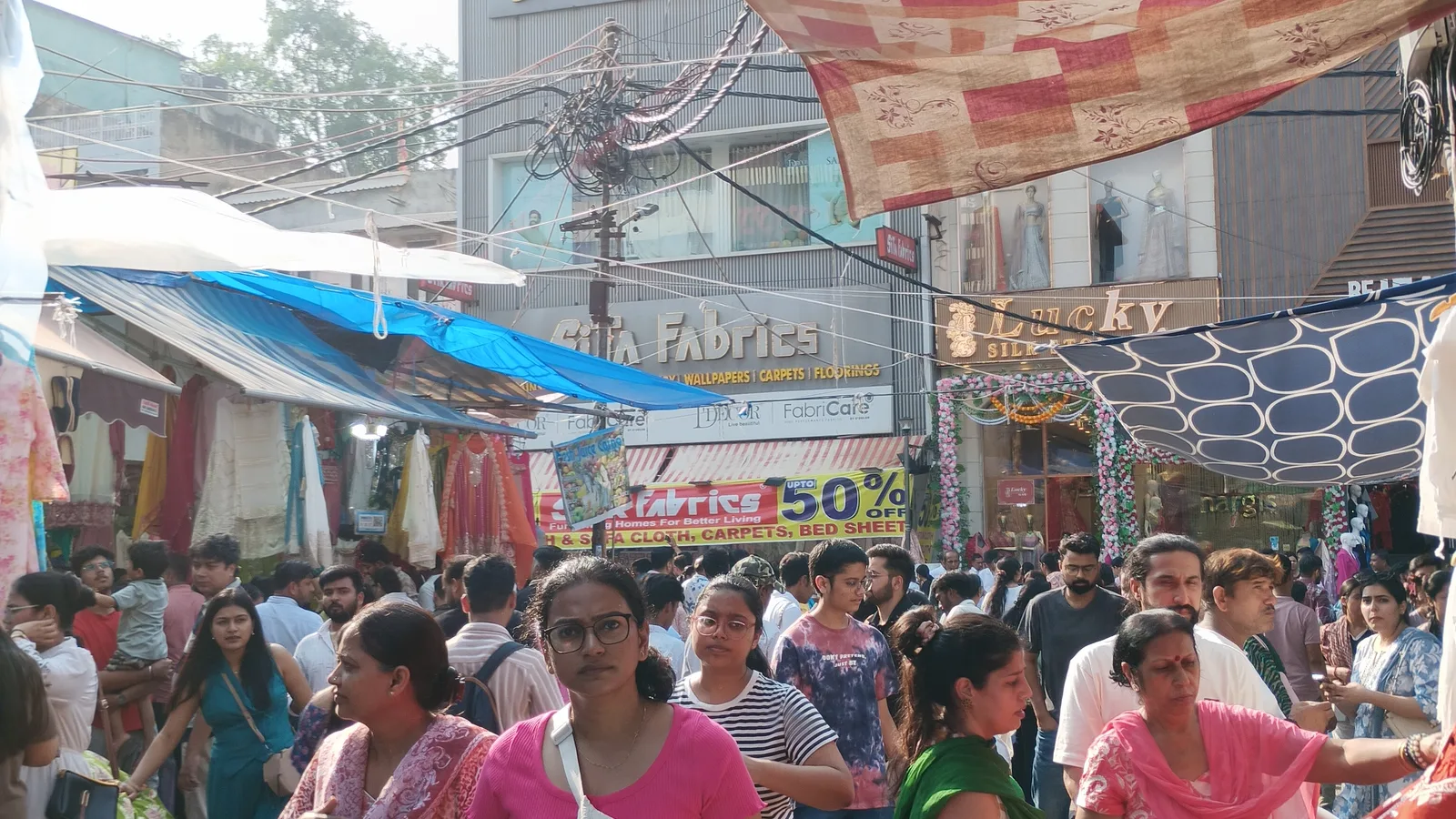
What to really expect
It helps to set out with a realistic picture of the country. Then what you feel on arrival is delight rather than stress:
- Warmth from people. Indians are generally hospitable and genuinely curious about visitors — do not be surprised if someone asks to take a photograph with you.
- Intensity. Big cities are loud and crowded. That is part of the experience, not a reason for concern.
- Touts and street sellers. At tourist sites you will meet vendors and self-appointed "guides". A polite but firm refusal is enough — and with a tour leader the problem largely vanishes.
- Traffic. It looks chaotic, which is why our trips use private, air-conditioned transport with an experienced driver.
What if my English is limited?
This is one of the most common worries, and one of the strongest arguments for an organised trip. You do not need to negotiate anything yourself. On a trip with a tour leader, all communication with hotels, guides, drivers and airport staff is handled for you. For many of our travellers this is the deciding factor: the reassurance that someone is beside you the whole way.
First time in India? That is exactly who our small-group trips are built for — vetted hotels, private transport and someone beside you from the first day to the last.
See our toursFood and health
Indian cooking is one of the great pleasures of the journey, and stomach trouble is easy to avoid if you stick to a few rules:
- Drink bottled water only, and check the seal is unbroken. Use it for brushing your teeth too.
- Choose dishes prepared fresh and served hot; avoid anything that has been standing.
- Be careful with ice, raw salads and washed vegetables from uncertain sources.
- Peel fruit yourself.
- Bring a basic travel medical kit and any medication you take regularly.
Important: always discuss vaccinations and health precautions with a travel medicine clinic. They will advise what is appropriate for you and for the region you are visiting. We cover this in more detail in our guide to vaccinations and a travel medical kit.
Ten rules for a calm trip through India
- Keep documents and cash in more than one place; carry digital copies of your passport and visa.
- Dress modestly in temples and places of worship — shoulders and knees covered.
- Take your shoes off where custom requires it.
- Photograph people only with their consent.
- Do not display expensive equipment in crowds.
- Agree a price before using any service outside the programme.
- Stay with the group and keep to the agreed meeting points.
- Carry your tour leader's number and the hotel address.
- Drink plenty of water and protect yourself from the sun.
- Trust your operator. That is what they are there for.
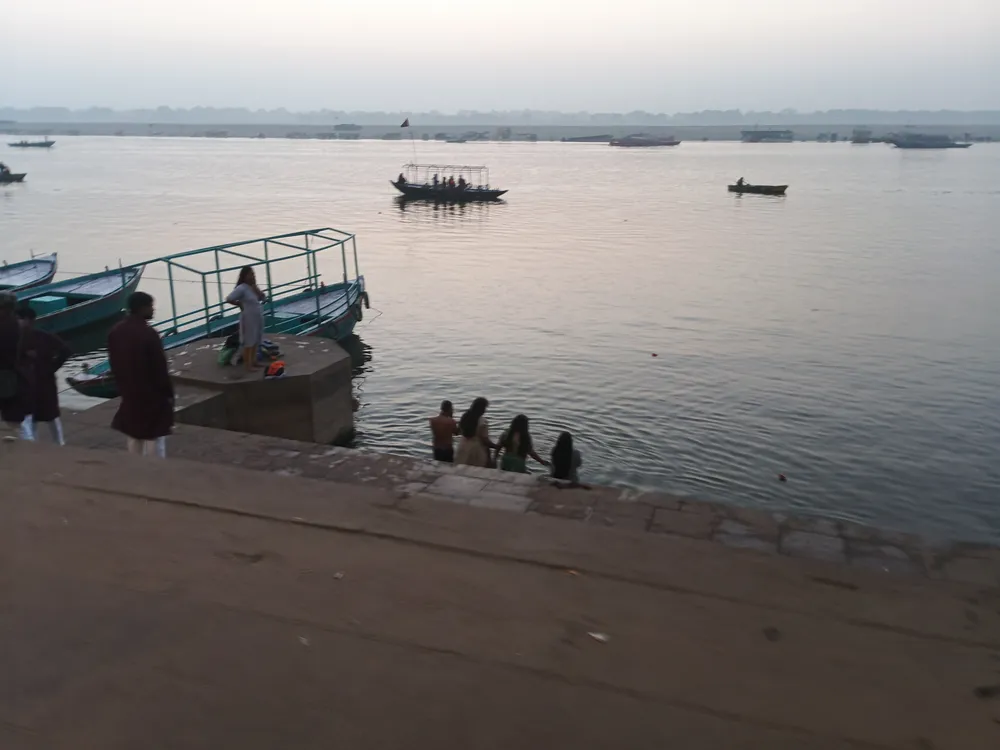
Why an organised trip is simply easier
You can certainly travel India independently. But for many people, particularly on a first visit, an organised trip turns stress into comfort. Someone knows the roads, knows the people, knows the customs and speaks your language.
At Lotus Tours & Travel the programme on the ground is delivered by Abyss Tours, a licensed Indian agency with more than twenty years of experience and certification from the Indian Ministry of Tourism. Traveller support, including tour leadership for groups, comes from our side. We are available before you leave and throughout the trip, so that you can concentrate on what actually matters: the experience.
Frequently asked questions
Is India safe for women travellers?
On an organised trip, with vetted hotels, private transport and a tour leader, yes. Dress modestly, avoid walking alone after dark, and keep to the group and the agreed meeting points. Those are the same rules that apply in many parts of the world.
Will I get an upset stomach?
Not necessarily. Most problems come from water and from food that has been standing. Drink bottled water with an unbroken seal, eat food served freshly and hot, and be careful with ice and raw salads. Follow those and the risk drops sharply.
Do I need to speak English?
Not on a trip with a tour leader. All communication with hotels, guides, drivers and airport staff is handled for you. You are there to enjoy the journey, not to negotiate at a check-in desk.
What about traffic and road safety?
Indian traffic looks chaotic to a newcomer, which is exactly why our trips use private air-conditioned transport with an experienced driver rather than local taxis flagged down in the street.
Are the touts at tourist sites a problem?
They are persistent rather than dangerous. A polite, firm no is enough — and with a tour leader beside you the issue largely disappears.
Should I carry cash or cards?
Both. Cards work in hotels and larger restaurants, but cash is useful at markets and for tips. Keep it split between a few places rather than all in one wallet.